


Wednesday 10 am – 5 pm
Thursday 10 am – 5 pm
Friday 10 am – 8 pm
Saturday 10 am – 5 pm
Sunday 10 am – 5 pm
Please note we will be closed from January 9th – 19th for renovations.
EARLY HISTORY
As long as humankind has collected and/or cultivated apples (thousands of years) they have fermented the fresh juice to produce Hard Cider. By fermenting the juice to produce an alcoholic beverage, humankind was able to preserve the juice until the next harvest. This alcoholic beverage was usually safer than the local water source. Plus, if it was made well and consumed in small quantities, you felt better when drinking it. By the dawn of the Roman Empire, the favourite beverages of its citizens were cider (hard cider), wine and beer.
By Victorian times in England, cider was the most important beverage. Labourers working in the fields were able to guarantee that a portion of their wages were paid in cider. In exchange for working in the fields, a labourer was given cider at lunch with their meals and at the end of the working day, along with a paid wage. English Lord’s had to make sure they produced a good quality and quantity of cider each year to attract the best labourers and quench their thirst.
NEW WORLD - North and South America
With the discovery and settlement of the New World, French and English settlers brought with them their taste for and knowledge of cider. When a settler arrived at their new home the first thing they did was clear the land for farming. The area picked for a house to be built was then staked out and before a nail was hammered, apple seeds from the Old World were planted to start an apple orchard beside the coming house. The reason being it would take nearly 15 to 20 years before those trees would be producing a quantity of apples. It was usually the next generation of the family that would see that harvest of fruit.
Throughout North America, apples and cider were an important part of everyday life. A culture and heritage evolved where by each fall all the neighbouring families in an area would work together to quickly harvest all the apples on each farm. The fruit was either placed in burlap sacks to be pressed into juice later, immediately pressed into juice, or gently packed in wooden barrels for local towns, cities, or even other countries. Most of the fruit was kept on the farm to be pressed and fermented into cider for the year and stored in barrels in the house cellar. This tradition still takes place today on some small farms all over the world, wherever apples are grown.
What is Cider? |
Spirit Tree Estate |
Products On The Grow |
What’s A Spirit Tree? |
Growing Green |
|
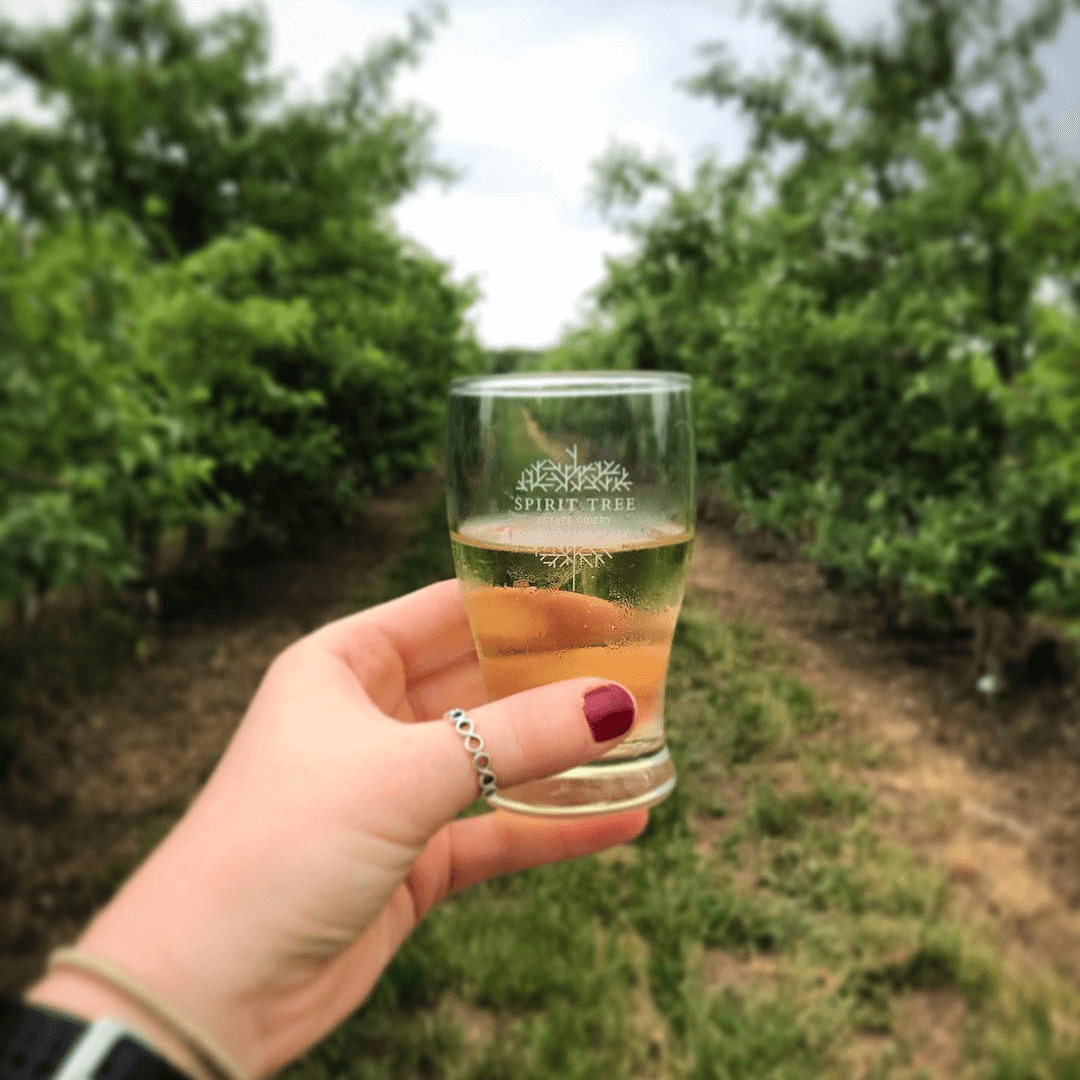
The term cider actually means two things here in North America. It can be “Sweet Cider (Soft Cider)” or “Hard Cider”. “Sweet Cider” is the raw fresh juice from pressed apples. |
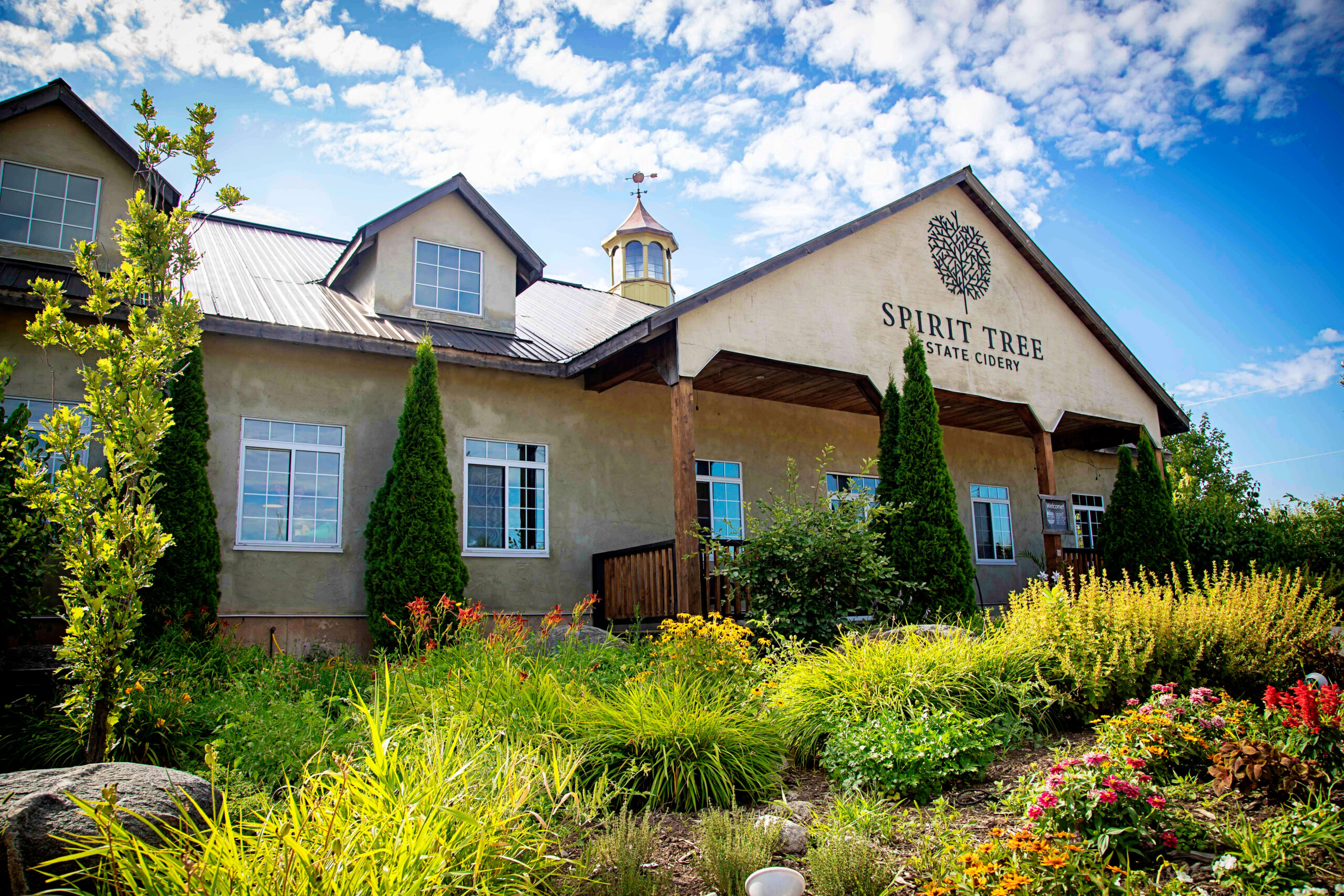
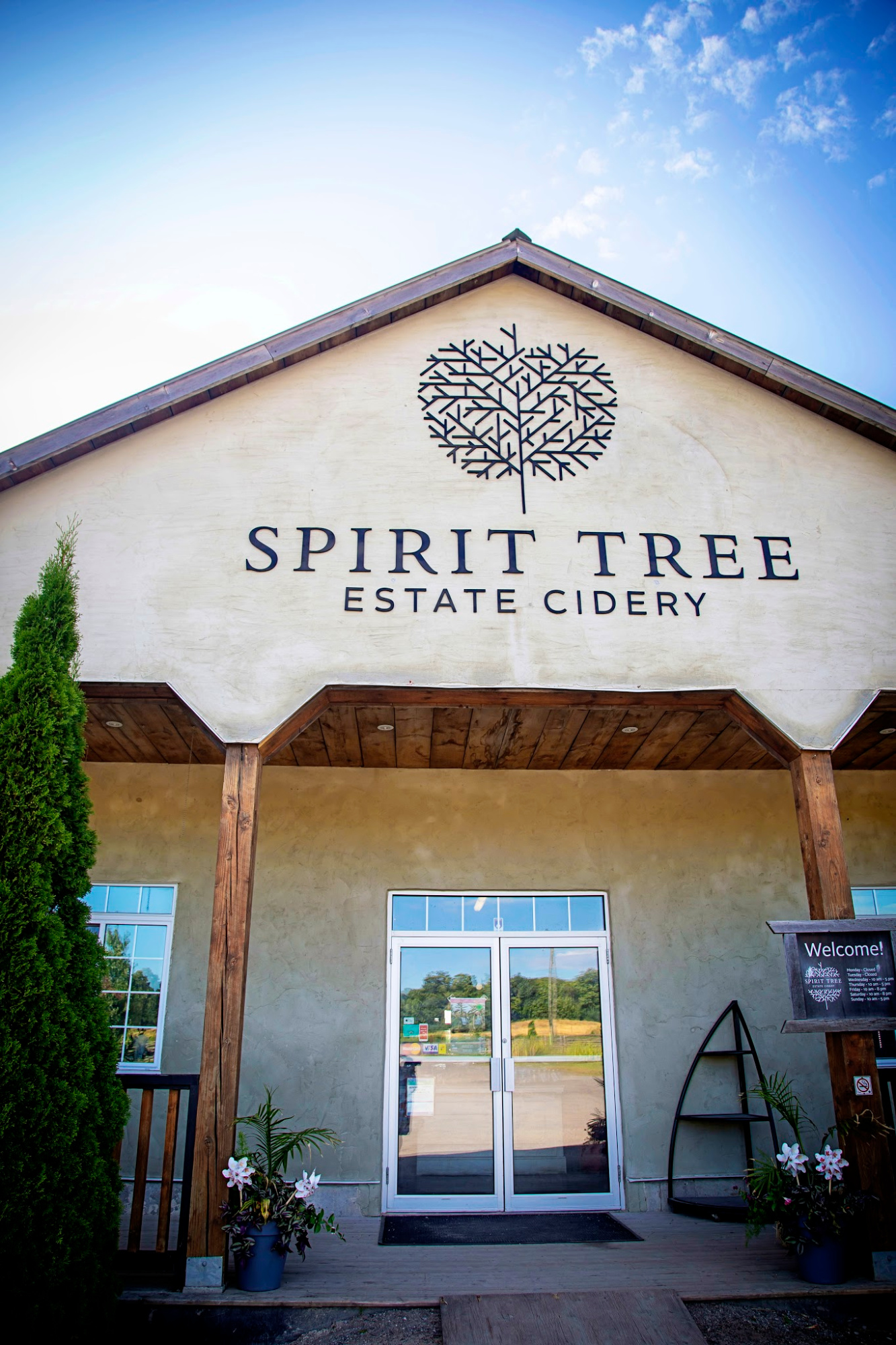
Spirit Tree Estate Cidery is located on 46 acres of rolling hills in the town of Caledon, just above the village of Cheltenham, on a ridge of the beautiful Niagara Escarpment |
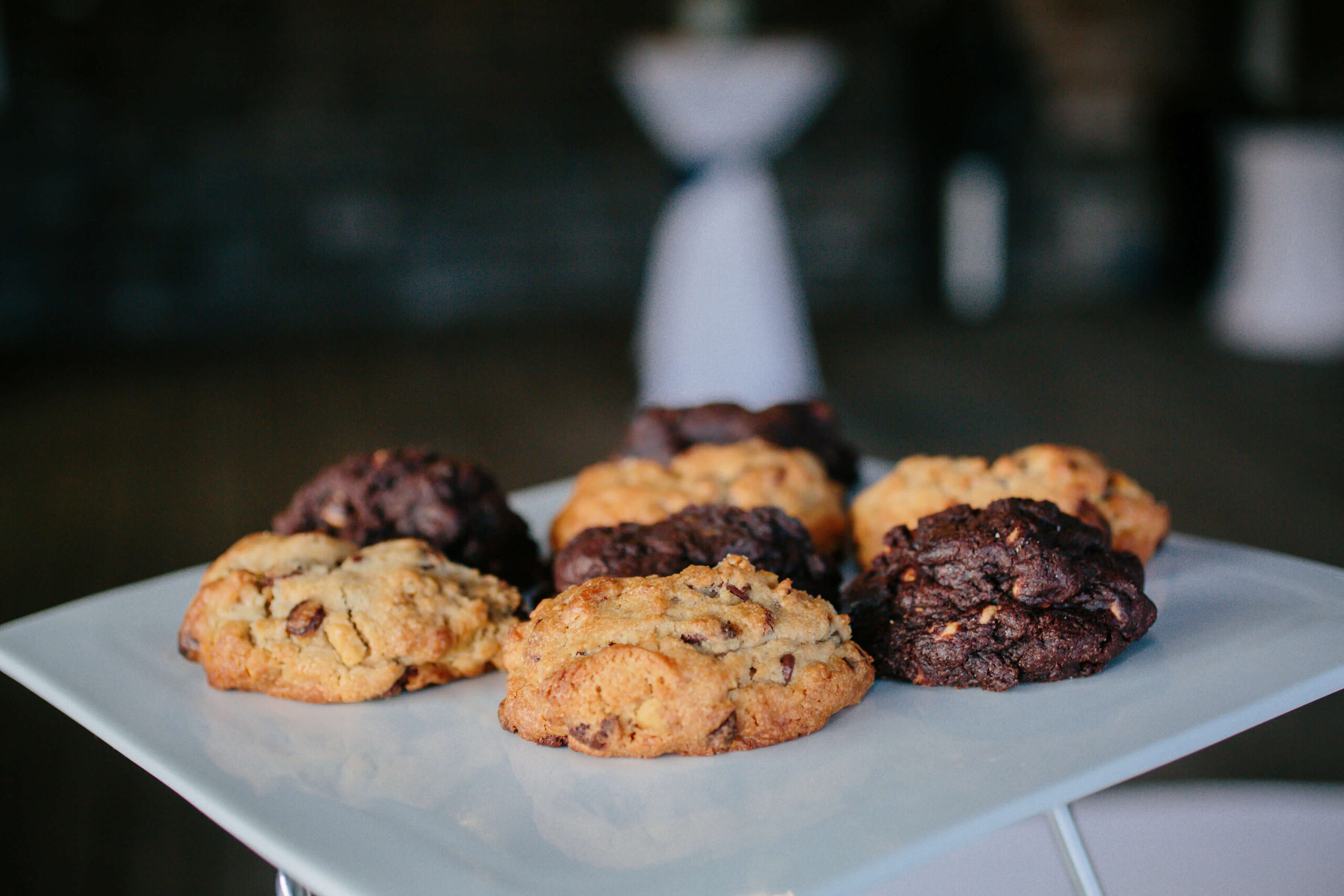
Fresh pressed sweet apple cider, breads - hand crafted and hearth baked daily in our wood-fired oven, homemade pies and other baked goods and so much |
The name Spirit Tree takes into account the ancient tradition of wassailing as well as being a play on the fact that cider is an alcoholic drink or “spirit” from trees. |
With the ever-increasing cost of energy and the increasing awareness of alternative, environmentally friendly building practices, Spirit Tree Estate Cidery has taken a leadership role. |